






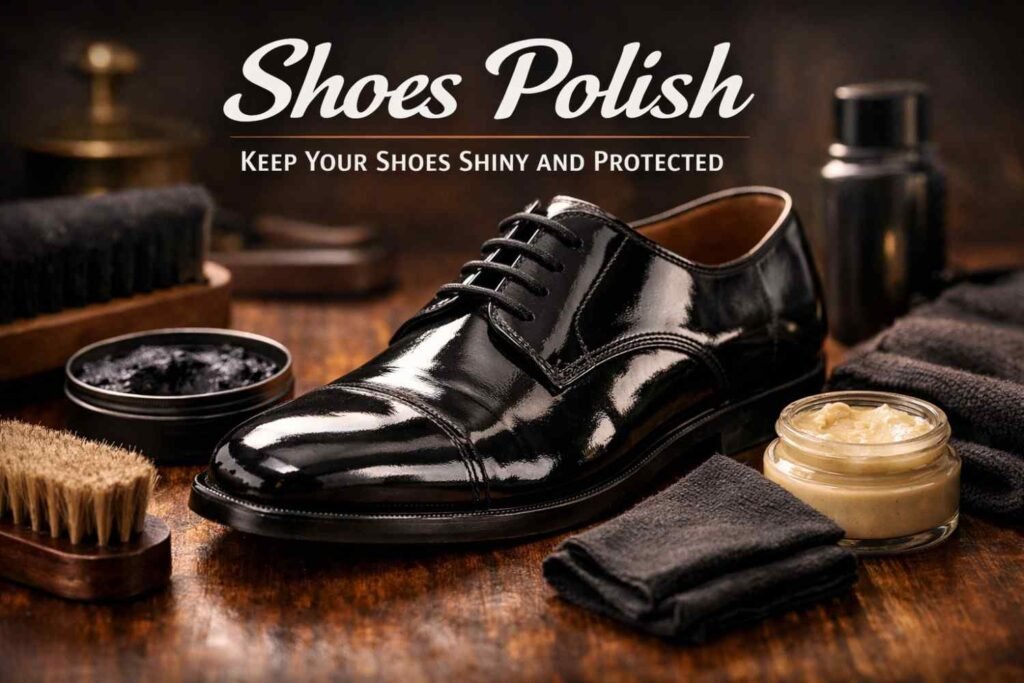
Your shoes are an investment. A good pair of leather shoes can last for years, but only with proper care. Using shoes polish is the most effective way to keep them looking new. This guide explains how shoes polish works, how to use it correctly, and how to avoid common mistakes. You will learn to protect your footwear, maintain its shine, and extend its life significantly.
Why Shoes Polish is Essential for Long-Lasting Shoes
Many people think shoes polish is only for appearance. This is not true. The primary function of polish is protection. Leather is a natural material that dries out over time. When leather dries, it becomes brittle and cracks. Regular application of shoes polish prevents this damage.
Polish forms a protective layer on the leather’s surface. This layer shields the shoe from water, dirt, and daily scuffs. Without this barrier, moisture can seep into the leather, causing stains and warping. Dirt and grime become embedded in the pores, making shoes look old and worn.
Using shoes polish is a simple habit with long-term benefits. It preserves the structural integrity of the shoe. Well-maintained shoes are more comfortable and last much longer than neglected ones. The effort you put into polishing pays off every time you wear them.
How polish protects leather from cracks and scuffs
Leather needs oils and waxes to stay supple. These elements evaporate or wear away with use. Shoes polish contains these essential ingredients. When you apply polish, you replenish the leather’s natural oils. This keeps the material flexible and resistant to cracking.
The wax content in many polishes creates a hard, protective shell. This shell absorbs the impact of minor scuffs and scratches. Instead of damaging the leather itself, the scuff marks the wax layer. You can then buff this mark out, restoring the shoe’s surface. This process is impossible on dry, unprotected leather.
The difference between shiny shoes and damaged shoes
There is a clear visual difference. Shiny shoes have a deep, rich luster that comes from within the leather. This shine indicates healthy, nourished material. Damaged shoes look dull, dry, and have visible cracks or creases.
The shine from proper shoes polish is a byproduct of health. It is not a superficial coating. When you polish correctly, you work the waxes and pigments into the leather. This enhances the shoe’s natural color and creates a reflective surface. A damaged shoe cannot achieve this depth of shine, no matter how much product you apply on top.
Choosing the Right Shoes Polish for Your Footwear
Selecting the correct shoes polish is crucial. Using the wrong type can lead to poor results or even damage. The main factors to consider are the polish formula and the color match. Your choice depends on your shoe’s leather type and your desired finish.
For standard calfskin or smooth leather, you have several options. Each type of leather shoes polish has a specific purpose. Understanding these differences helps you make the best choice for your shoes.
Always test a new polish on a small, inconspicuous area first. This check ensures the color matches and the formula works well with your specific leather.
Leather shoes polish: Creams, waxes, and liquids compared
Leather shoes polish comes in three main forms: cream, wax, and liquid.
Cream Polish: This is a conditioning polish. It contains more oils and less wax. Cream shoes polish is ideal for nourishing leather and providing a soft, satin shine. Use it for regular maintenance to keep leather supple. It does not build a high-gloss finish but is excellent for preventing cracks.
Wax Polish: This polish has a high wax content. It is used to build a hard, protective shell and a high-gloss, mirror-like shine. Wax polish is best for the toe and heel areas, which endure the most scuffs. It offers superior water resistance but provides less conditioning than cream.
Liquid Polish: Liquid polishes are convenient and fast-drying. They often come with an applicator sponge. However, they typically sit on top of the leather rather than conditioning it deeply. They are good for a quick touch-up but should not replace cream or wax for long-term care.
Matching cream shoes polish to your shoe’s color
Color matching is vital, especially with cream shoes polish. Using a polish that is too dark will permanently darken your shoes. A polish that is too light may not cover scuffs effectively.
For most shoes, choose a polish that matches the leather color exactly. For black or white shoes, this is simple. For brown shoes, pay close attention. Brown has many shades, like chestnut, mahogany, or tan.
If you cannot find an exact match, choose a polish one shade lighter. A slightly lighter polish will blend well and won’t darken the shoe noticeably. You can also use a neutral-colored polish. Neutral polish contains no pigment, so it conditions and protects without changing the color. This is a safe option for expensive or uniquely colored shoes.
Step-by-Step Guide to Polishing Your Shoes Perfectly
A proper shoe shine takes time but delivers professional results. Follow these steps to apply shoes polish effectively. Rushing the process leads to a poor finish. Set aside 20-30 minutes for best results.
The key stages are preparation, application, and buffing. Each stage is important. Skipping preparation, for example, means you are polishing over dirt. This grinds the dirt into the leather, causing scratches.
Gather your tools before you start: polish, a horsehair brush, a soft cloth, and a shoe tree. A shoe tree helps maintain the shoe’s shape during polishing.
Preparing your shoes: Cleaning and conditioning first
Never apply polish to dirty shoes. First, remove the laces. This gives you full access to the tongue and eyelets. Use a dry horsehair brush to remove all loose dirt and dust. Brush in one direction, from heel to toe.
Next, use a damp cloth to wipe down the entire shoe. Do not soak the leather. If the shoes are very dirty, use a dedicated leather cleaner. After cleaning, let the shoes dry completely. Do not use heat to speed up drying, as this can damage the leather.
Once dry, consider using a leather conditioner. Conditioner adds moisture back into the leather before you apply the protective wax layer. This step is especially important for older or dry shoes. Let the conditioner absorb for 10-15 minutes before moving to polish.
Applying polish evenly for a professional shine
Take a small amount of shoes polish on a soft cloth or applicator brush. Less is more. Start with a dab about the size of a pea. Apply the polish in small, circular motions. Work the polish into the leather, covering the entire shoe evenly.
Focus on one section at a time. Do not apply a thick layer. A thin, even coat allows the leather to absorb the polish’s nourishing elements. Pay extra attention to the toe and heel, as these areas face the most wear.
After applying the polish, let it dry. This usually takes 5-10 minutes. The polish will lose its wet look and become slightly hazy. This haze means the solvents have evaporated, and the wax is ready to be buffed.
Buffing techniques to achieve a mirror-like finish
Buffing is what creates the shine. Use a clean, soft cloth or a polishing brush. A horsehair brush is excellent for this job. Brush the shoe vigorously in quick, straight back-and-forth motions. The friction generates heat, which melts the wax slightly and creates a smooth, glossy surface.
For a higher shine, use the “spit shine” method. Dampen a section of your cloth very slightly with water. Wrap the cloth tightly around your fingers and polish a small area using very fast, small circles. The water reacts with the wax to create an exceptionally hard, mirror-like finish. This technique works best with wax polish.
Finally, use a soft buffing cloth to give the shoes a final once-over. This removes any last traces of dust and adds a final layer of luster. Your shoes should now have a deep, rich shine and feel smooth to the touch.
Advanced Tips to Keep Shoes Looking New for Years
Basic polishing keeps shoes in good shape. Advanced care makes them last for decades. These practices go beyond the occasional shine. They involve a systematic approach to shoe maintenance.
The goal is to prevent damage before it happens. This proactive care saves you money and keeps your favorite pairs in rotation for years. It also ensures your shoes always look their best, with minimal effort during your daily routine.
Creating a regular shoe care schedule
Do not wait for your shoes to look dull before polishing them. Create a schedule based on how often you wear them.
For shoes worn 2-3 times a week, a light brush and polish every two weeks is ideal. For shoes worn less frequently, a monthly treatment is sufficient. Always clean and condition shoes after wearing them in wet or dirty conditions, regardless of the schedule.
Keep a note in your calendar. A consistent routine is easier to maintain than an occasional deep-clean session. Regular application of shoes polish builds up layers of protection over time, creating a more durable shield.
Storing polished shoes correctly to maintain protection
How you store shoes is as important as how you clean them. Always use shoe trees. Shoe trees absorb moisture and help the shoe retain its shape as it dries. This prevents unsightly creases from setting in.
Store shoes in a cool, dry place away from direct sunlight. Sunlight can fade the color and dry out the leather. Use dust bags or the original shoe box for storage. This protects the polished surface from dust and accidental scuffs.
Never store shoes in plastic bags. Leather needs to breathe. Trapping moisture in a plastic bag can cause mildew, which ruins the material and undoes all your careful polishing work.
Common Shoes Polish Mistakes and How to Avoid Them
Even with good intentions, it is easy to make errors with shoes polish. These mistakes can reduce shine or harm the leather. Knowing what to avoid ensures your efforts are effective.
The most frequent errors involve using too much product and neglecting key areas. Both stem from rushing the process. Taking your time is the simplest way to avoid these problems.
Using too much polish and creating a sticky mess
Applying a thick layer of polish is a common error. More polish does not mean more shine or protection. Excess polish will not absorb into the leather. It sits on top, creating a sticky, gummy layer that attracts dirt and dust.
This layer can crack and flake off. It also makes buffing difficult, resulting in a cloudy, uneven finish. Always start with a small amount of shoes polish. You can always add a second thin layer if needed after the first one is buffed.
Neglecting the welt and sole edges
The welt is where the upper part of the shoe meets the sole. The sole edges are also often ignored. These areas are highly visible and prone to scuffing.
When polishing, run your cloth or brush along the welt. Apply a small amount of polish to the leather sole edge if your shoes have them. This small step makes the entire shoe look meticulously cared for. It also protects these vulnerable areas from water damage and dirt buildup.
Essential Tools for a Professional Shoe Shine at Home
You do not need many tools, but the right ones make a difference. Quality brushes and cloths improve your results and make the process easier. Investing in a basic kit is worthwhile for anyone who values their footwear.
A simple kit includes a few key items. With these tools, you can achieve a shine that rivals a professional cobbler’s work. Specialized products are also available for different materials like suede.
Must-have brushes and cloths for application
Horsehair Brushes: You need at least two. Use one stiff brush for removing dirt before polishing. Use a softer brush for applying wax polish and for the final buffing. Horsehair is gentle on leather but effective.
Application Cloths: Use soft, lint-free cotton cloths. Old t-shirts or dedicated polishing cloths work well. Have separate cloths for applying polish and for buffing to avoid mixing product residues.
Shoe Trees: While not a polishing tool, shoe trees are essential. They hold the shoe’s shape while you work and while the shoes are stored. This prevents polish from cracking in the creases.
Specialized products for suede and exotic leathers
Never use standard shoes polish on suede or nubuck. These materials have a nap that would be ruined by wax or cream. For suede, you need a suede brush and a suede eraser. The brush lifts the nap, and the eraser removes scuff marks.
For exotic leathers like crocodile or ostrich, use products specifically designed for them. These leathers have unique textures and oil requirements. Using the wrong product can stain or discolor the skin. When in doubt, consult the manufacturer’s care instructions or a professional.
Discover More Expert Care Guides for Your Belongings
Taking good care of your possessions saves money and reflects well on you. Just as shoes polish extends the life of your footwear, proper maintenance protects other valuables. For more detailed guides on caring for electronics, leather goods, and more, explore our resources. You can start by learning about maintaining your devices with our guide on the Samsung Galaxy A21s.
Conclusion
Shoes polish is not a cosmetic extra. It is a fundamental part of maintaining quality footwear. Regular polishing protects your investment, keeps your shoes comfortable, and ensures you always look polished.
The process is simple and rewarding. By choosing the right products, following the correct steps, and avoiding common mistakes, you can keep your shoes in excellent condition for many years. Start a care routine today. Your shoes will thank you.
FAQs?
How often should I polish my leather shoes?
There is no single rule. It depends on how often you wear them. For shoes worn regularly in an office setting, polish them every two to three weeks. This maintains the protective layer. If you wear them less frequently, once a month is sufficient. Always polish after the shoes get wet or particularly dirty.
Can I use the same polish on different colored shoes?
No, you should not. Using a dark brown polish on tan shoes will permanently darken them. Always use a polish that matches the shoe color as closely as possible. The only exception is neutral polish, which has no color pigment. Neutral polish conditions and protects any color leather without changing its shade.
