



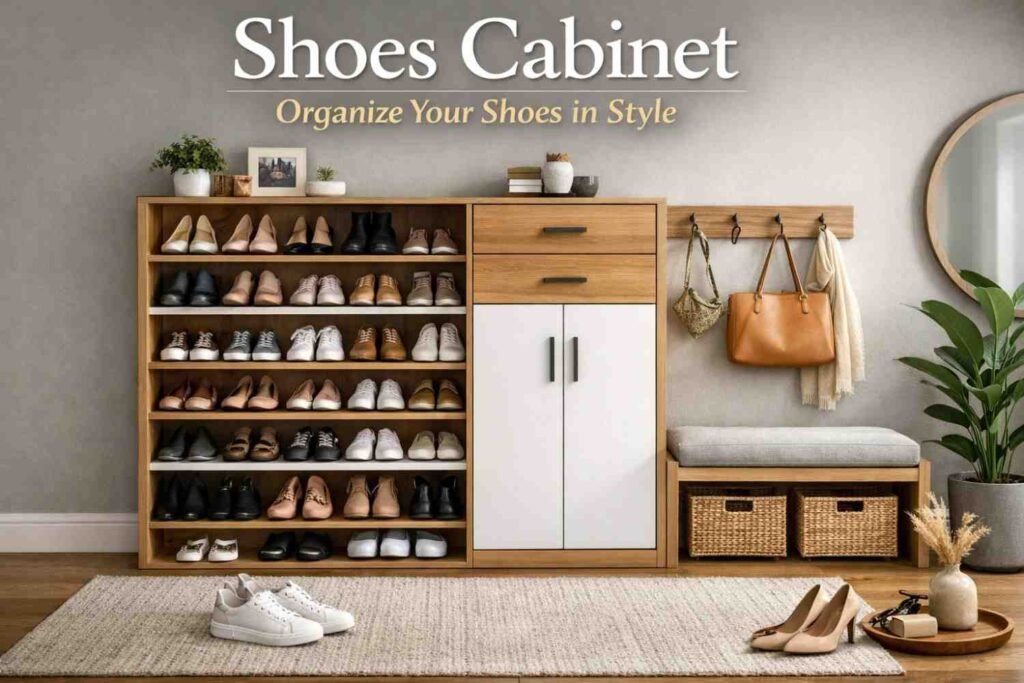
A luxury shoes cabinet is more than a storage unit. It is a dedicated space that protects your investment and displays your style. For collectors of high-end footwear, from Italian leather loafers to bespoke formal shoes, proper storage is a necessity. This guide explains how a well-chosen cabinet preserves craftsmanship, organizes your collection, and becomes a statement piece in your home.
Why a Dedicated Shoes Cabinet is Essential for Luxury Footwear
High-end shoes represent a significant investment in quality, design, and materials. Storing them in their original boxes or on a simple rack does not offer adequate protection. A dedicated luxury shoes cabinet provides a controlled environment. It shields your collection from dust, sunlight, and humidity, which can cause irreversible damage.
The right cabinet also brings order to your daily routine. It allows you to see your entire collection at a glance, making it easy to select the perfect pair. This organization prevents the wear and tear that comes from searching through piles of boxes. For the serious collector, a shoes cabinet is the foundation of proper care.
Protecting Your Investment in Formal Zegna Shoes
Formal shoes, like those from Zegna, are crafted from delicate materials such as polished calfskin or suede. These materials are susceptible to scuffs, creasing, and color fading. A high-quality shoes cabinet provides individual compartments or shelves. This separation prevents shoes from rubbing against each other, which maintains their pristine finish.
Storing formal Zegna shoes properly also preserves their shape. Many luxury cabinets include cedar shoe trees or contoured shelves. These features help maintain the shoe’s structure, preventing the leather from collapsing or developing unsightly wrinkles. This level of care ensures your formalwear always looks its best.
Preserving Craftsmanship and Material Integrity
The value of luxury footwear lies in its craftsmanship. Hand-stitched seams, exotic leathers, and intricate detailing define these pieces. A shoes cabinet safeguards this artistry. Enclosed storage protects against accidental spills and airborne pollutants that can degrade delicate finishes over time.
Materials like suede, nubuck, and patent leather require specific conditions. A cabinet with proper ventilation prevents mold and mildew, while solid construction blocks harmful UV rays. By controlling the storage environment, you directly extend the life and beauty of every pair in your collection.
Key Features of a High-End Shoes Cabinet
Not all storage solutions are equal. A true luxury shoes cabinet is defined by specific features that combine function with elegance. These features address the practical needs of storage while complementing a sophisticated home.
The construction and design details separate a premium cabinet from a basic shelf. Look for elements that offer both protection for your shoes and visual appeal for your space. The right features make organization effortless and maintenance simple.
Premium Materials for Durability and Aesthetics
The best shoes cabinets use solid hardwoods, high-grade metals, and tempered glass. Woods like walnut, oak, or mahogany offer strength and a rich, warm aesthetic. These materials are less prone to warping than engineered wood, ensuring the cabinet remains stable for years.
Hardware is equally important. Soft-close hinges and full-extension drawer slides operate silently and smoothly. Interior linings made of soft fabric, cedar, or anti-tarnish felt protect shoe surfaces. These material choices show an attention to detail that matches the quality of the footwear stored inside.
Intelligent Storage Solutions for Different Shoe Types
A versatile luxury shoes cabinet accommodates various styles. It should have adjustable shelving to fit everything from tall boots to low-profile sneakers. Some cabinets feature pull-out trays for easy access to seasonal shoes stored at the back.
Specialized compartments are key. Look for dedicated racks for heels, angled shelves for loafers, and deep slots for boots. Some high-end designs include integrated lighting to illuminate each pair. This intelligent design ensures every type of shoe, from athletic wear to formal dress shoes, has an ideal place. For more ideas on furnishing a luxury space, explore our guide to premium home furniture.
How to Choose the Perfect Shoes Cabinet for Your Style
Selecting the right cabinet requires a balance of practicality and personal taste. You must consider the size of your collection, the available space in your home, and how the cabinet’s design fits your existing decor. A thoughtful choice will serve you for decades.
Start by evaluating your current and future needs. A cabinet that is too small will force you to overcrowd, damaging your shoes. One that is too large can dominate a room. The goal is to find a piece that is both highly functional and a beautiful addition to your interior design.
Assessing Your Collection Size and Space Requirements
First, take an inventory of your shoes. Count every pair you plan to store in the cabinet, including seasonal items. A good rule is to choose a cabinet with 20-30% more capacity than your current collection. This allows room for future purchases without overcrowding.
Next, measure your available space. Note the width, height, and depth of the area where the cabinet will go. Remember to account for door swing and walking space. A slim, vertical shoes cabinet can be perfect for an entryway, while a wider, low-profile design may suit a walk-in closet.
Matching Cabinet Design to Your Home’s Aesthetic
Your shoes cabinet should complement your home’s style. For a modern interior, look for clean lines, matte finishes, and handle-less designs. A minimalist cabinet in oak or with a lacquered finish can integrate seamlessly.
In a classic or traditional home, a cabinet with detailed woodwork, a rich stain, or brass hardware may be more appropriate. The finish should coordinate with other wood tones in the room. The cabinet is a piece of furniture first; its style should enhance your space, not clash with it.
Organizing Your Luxury Shoes Cabinet with Style
An organized cabinet is efficient and visually pleasing. A good system allows you to find any pair quickly and protects your shoes from unnecessary handling. The organization should reflect how you use your collection, whether sorted by style, color, or frequency of use.
Take time to curate what goes into your luxury shoes cabinet. This is an opportunity to assess your collection, perhaps retiring worn pairs and making space for new favorites. A well-organized cabinet turns storage into a display of personal style.
Curating and Categorizing a High-End Collection
Begin by sorting your shoes into clear categories. Common methods include organizing by type (boots, loafers, sneakers, dress shoes), by season, or by color. Grouping similar items together makes selection logical and maintains order.
Consider frequency of use. Place your most-worn pairs at eye level for easy access. Seasonal or occasional shoes can go on higher or lower shelves. This curation process is not just about order; it helps you see the full scope of your collection and identify any gaps.
Display Techniques for Formal and Designer Shoes
For formal and designer shoes, presentation matters. Use individual shoe boxes with clear fronts or open shelving to showcase special pairs. Ensure each shoe is properly supported with a shoe tree to hold its shape.
You can create visual interest by alternating the direction shoes face or by using small, decorative bookends to separate categories. For a truly curated look, leave a little space between pairs. This prevents crowding and allows each shoe’s design to be appreciated, turning your cabinet into a personal gallery.
Top Maintenance Tips for Your Shoes Cabinet
Regular care keeps your shoes cabinet looking new and functioning properly. Maintenance involves cleaning both the cabinet itself and managing the environment inside it. A simple routine prevents long-term issues and protects your valuable footwear.
Dust and dirt can scratch fine wood finishes and soil fabric linings. Humidity can damage both the cabinet and the shoes stored within. A consistent maintenance plan addresses these threats directly.
Regular Cleaning and Care for Longevity
Dust the exterior of your cabinet weekly with a soft, dry microfiber cloth. For wood cabinets, use a recommended wood cleaner every few months to nourish the finish and remove fingerprints. Avoid silicone-based polishes, which can create a buildup.
Vacuum the interior shelves and compartments monthly to remove dust and debris. If the interior is lined with fabric, spot-clean stains immediately with a mild detergent. Wipe down any glass doors with a streak-free cleaner to maintain clarity.
Climate Control and Protection for Delicate Materials
Control humidity inside the cabinet. Excessive moisture promotes mold on leather and suede. Consider using silica gel packs or a small, discreet dehumidifier designed for enclosed spaces. Aim for a stable environment.
Protect shoes from light exposure. Position your cabinet away from direct sunlight, or choose one with solid doors or UV-protective glass. For delicate materials like suede or exotic skins, storing them in their dust bags inside the cabinet adds an extra layer of protection from light and dust.
Common Mistakes to Avoid with Luxury Shoe Storage
Even with the best intentions, simple errors can damage a shoe collection. These mistakes often stem from a lack of space or understanding of what materials need. Being aware of these pitfalls helps you avoid costly damage to your investment.
The most common issues involve overfilling the storage space and ignoring the basic environmental needs of leather and other fine materials. Avoiding these mistakes is straightforward with proper planning.
Overcrowding and Damaging Your Formal Shoes
The biggest error is forcing too many shoes into a limited space. Overcrowding causes shoes to press against each other, leading to scuffs, misshapen toes, and crushed counters. It also makes it difficult to remove a pair without disturbing others.
Respect the capacity of your shoes cabinet. If your collection grows, it is better to invest in additional storage than to compromise the condition of your shoes. Each pair should have its own designated space where it sits without pressure from its neighbors.
Neglecting Proper Ventilation and Light Exposure
Storing shoes in a completely airtight space can trap odors and moisture. While cabinets should protect from dust, they need some airflow. Avoid sealing shoes in plastic boxes inside the cabinet, as this prevents leather from breathing and can cause deterioration.
Never place a shoes cabinet in direct, sustained sunlight. UV rays will fade colors and dry out leather, causing it to crack. If your cabinet has glass doors, ensure they have a UV filter, or use it in a part of the room that does not get direct sun.
Discover Premium Living Solutions at Beach Rose Tower
Your approach to luxury extends beyond your wardrobe to your living space. For those who value refined design and impeccable organization in every aspect of life, Beach Rose Tower offers an exceptional standard. Discover residences crafted with the same attention to detail and quality that defines a fine shoes cabinet, creating a harmonious and elegant home environment.
Conclusion
A luxury shoes cabinet solves a practical problem with style. It protects valuable footwear, simplifies your daily routine, and adds a refined element to your home’s decor. By choosing a cabinet with premium materials and intelligent features, you invest in the longevity of your collection.
Organizing and maintaining your cabinet becomes part of the enjoyment of owning fine shoes. It transforms storage from a chore into an expression of personal taste. The right shoes cabinet does not just hold your collection; it honors it.
FAQs?
What is the best way to store formal Zegna shoes?
The best way to store formal Zegna shoes is in a dedicated, ventilated shoes cabinet. First, insert cedar shoe trees to maintain their shape. Then, place each pair on a separate shelf or in an individual compartment to prevent scuffing. Keep them away from direct heat and sunlight. For long-term storage, place them inside their provided dust bags before putting them in the cabinet.
How many pairs of shoes fit in a standard cabinet?
A standard mid-size shoes cabinet often holds between 12 and 24 pairs, depending on the design and shoe types. Cabinets with adjustable shelves offer more flexibility. Slim models designed for entryways may hold 8-12 pairs, while large armoire-style units can store 30-50 pairs or more. Always check the manufacturer’s stated capacity and consider the mix of boots, sneakers, and dress shoes in your collection.
