


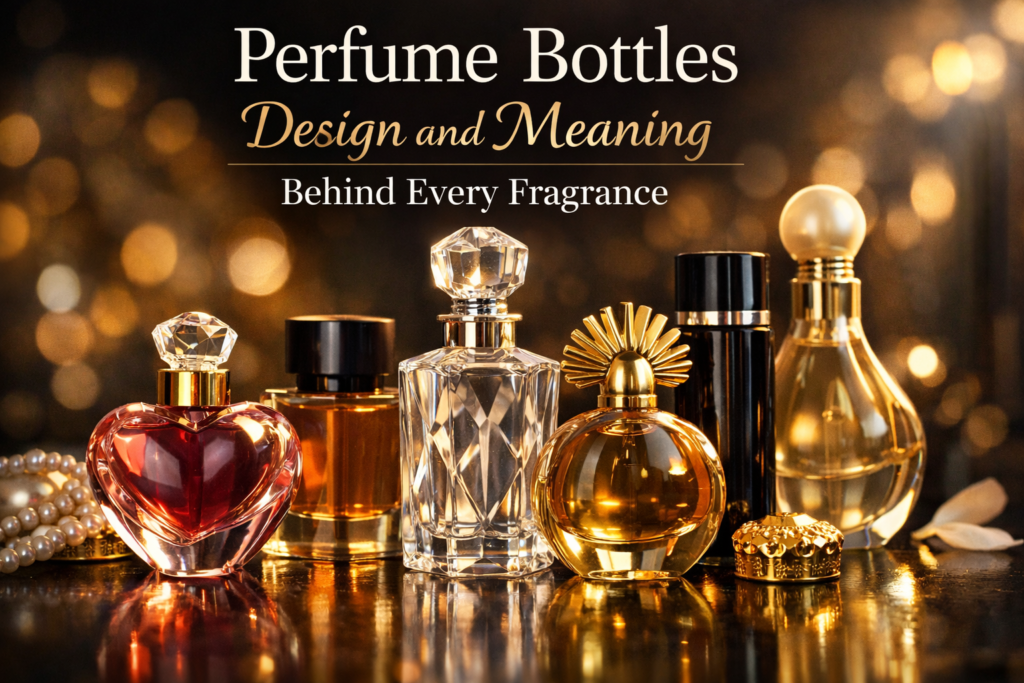
Perfume Bottles: Where Fragrance Meets Art and Emotion
Perfume is often remembered for its scent, but what holds that scent is just as important. They reflect the soul of the fragrance inside, the vision of the brand, and the emotions the perfume is meant to evoke.
From elegant glass designs to bold modern shapes, perfumes have evolved into collectible pieces of art. They sit on dressers, shelves, and vanity tables, quietly expressing personality and taste even when they’re not in use.
In this article, we’ll explore the beauty, history, purpose, and emotional connection behind perfume and why they matter far more than most people realize.
The True Purpose of Perfume
At first glance, a perfume bottle seems like a simple object designed to hold liquid fragrance. But its role goes far beyond that.
A perfume bottle protects the scent from light, air, and heat, preserving its quality over time. At the same time, it communicates the character of the perfume before the first spray is ever applied.
The moment someone sees a perfume bottle, expectations are formed. Is it luxurious? Romantic? Bold? Minimal? The design silently prepares the senses for the fragrance experience.
The History and Evolution of Perfume
Perfume have existed for thousands of years. Ancient civilizations understood the importance of preserving fragrance, and they treated perfume containers as valuable objects.
Early Beginnings
In ancient Egypt, perfume were crafted from stone, clay, and alabaster. These bottles were often buried with royalty, symbolizing status and spirituality.
The Rise of Decorative Glass
As glassmaking techniques improved, perfume became more detailed and decorative. By the 19th century, glass perfume were being designed not just for function, but for beauty.
Modern-Day Designs
Today, perfume range from minimalist and sleek to dramatic and artistic. Some resemble sculptures, while others focus on clean lines and simplicity. Each era leaves its mark through design trends.
Why Perfume Matter More Than You Think
Many people choose a fragrance based on scent alone, but the bottle plays a psychological role in the buying decision.
Emotional Connection
A beautiful perfume bottle creates an emotional bond. People often remember where they were or how they felt when they first saw or received a particular bottle.
Brand Identity
Luxury brands invest heavily in bottle design because it represents their identity. The bottle becomes part of the brand’s signature, instantly recognizable even from a distance.
User Experience
A well-designed bottle feels good in the hand, sprays evenly, and adds to the ritual of applying perfume. This sensory experience enhances the overall enjoyment of the fragrance.
Materials Used in Perfume
Glass is the most common material because it Juicy Couture bags preserves fragrance without altering it. Clear glass showcases the color of the perfume, while tinted glass protects it from light exposure.
Some high-end perfume include metal accents, crystal elements, or handcrafted details that elevate their appearance and value.
Plastic is occasionally used for travel-size bottles, but premium perfumes rarely rely on it due to durability and aesthetic concerns.
The Art and Design Behind Perfume
Designing perfume bottles is a blend of engineering, art, and storytelling. Designers consider balance, weight, spray mechanics, and visual impact.
Shape and Symbolism
Round bottles often symbolize softness and romance, while sharp angles suggest strength and modernity. Tall bottles may convey elegance, while compact designs feel intimate and personal.
Color Psychology
Color plays a powerful role in how a perfume is perceived. Clear bottles suggest freshness and purity, dark tones hint at mystery, and gold accents often represent luxury.
Cap Design
The cap is more important than it seems. A heavy, well-crafted cap adds to the feeling of quality and attention to detail.
Perfume Bottles as Collectible Items
For many people, perfume bottles are collectibles. Limited editions, vintage bottles, and discontinued designs can become highly valuable over time.
Collectors often seek bottles that reflect historical moments in fashion or fragrance design. Even empty perfume bottles are sometimes displayed as decorative objects because of their artistic value.
This collectible nature proves that perfume bottles are not disposable items they are lasting pieces of design history.
Choosing the Right Perfume Bottle for Personal Use
If you prefer simplicity, minimalist bottles with clean lines may suit your personality. If you love glamour, ornate bottles with decorative details may feel more aligned with your style.
The bottle should feel comfortable to hold and easy to use. A beautiful design loses its charm if the spray mechanism is awkward or inconsistent.
Functional Features to Look for in Perfume Bott
- Secure spray nozzle that delivers even mist
- Durable glass that resists cracking or leaking
- Proper sealing to prevent fragrance evaporation
- Comfortable size for daily handling
- Stable base to prevent tipping
How Perfume Bottles Affect Fragrance Longevity
Bottles that limit exposure to air and light help preserve the original scent structure. This is why many perfumes are sold in opaque or dark glass bottles.
Improperly sealed or low-quality bottles can cause fragrance to oxidize, altering its smell over time. This makes bottle quality just as important as the perfume itself.
How to Store Perfume Bottles Correctly
Keep perfume bottles away from direct sunlight, heat, and humidity. A cool, dark place like a drawer or cabinet works best. Avoid shaking the bottle, as this introduces air into the fragrance, which can affect its composition over time.
Sustainability and Modern Perfume Bottle Trends
Many brands are now creating refillable perfume bottles to reduce waste. Others use recyclable glass or minimal packaging to lower environmental impact.
These changes show that perfume bottles can be both beautiful and responsible, reflecting modern values without sacrificing design.
Emotional Value of Perfume Bottles
Perfume bottles often hold sentimental value. They remind people of loved ones, special moments, or personal milestones.
An empty bottle can still carry emotional weight, representing memories associated with the fragrance once inside it.
This emotional attachment is one reason people hesitate to throw away perfume bottles, even when they’re empty.
Common Mistakes People Make with Perfume Bottles
One common mistake is leaving perfume bottles exposed on windowsills or bathroom counters. Light and humidity can degrade fragrance quality.
Another mistake is removing the cap and leaving it off for long periods. This allows air to enter and slowly change the scent.
FAQs
1. Why are perfume bottles usually made of glass?
Glass preserves fragrance quality and does not react with perfume ingredients, making it the safest and most durable option.
2. Do perfume bottles affect how long a fragrance lasts?
Yes, high-quality bottles protect perfume from air and light, helping maintain its original scent for longer.
3. Can empty perfume bottles be reused?
Yes, many people reuse them for decoration, refilling, or as collectible items.
4. Is it safe to store perfume bottles in the bathroom?
No, humidity and temperature changes can damage both the perfume and the bottle over time.
5. Why are some perfume bottles so expensive?
The cost reflects design, materials, craftsmanship, and brand identity, not just the container itself.
Final Thoughts
Perfume bottles are far more than functional containers. They are expressions of art, identity, memory, and craftsmanship. From ancient times to modern luxury shelves, they have carried stories alongside fragrance.
When you choose a perfume, you’re also choosing a bottle that represents your style, emotions, and personal taste. In many ways, the bottle is the first chapter of the fragrance story.
Understanding and appreciating perfume bottles allows you to experience fragrance on a deeper, more meaningful level one that goes beyond scent alone.
