






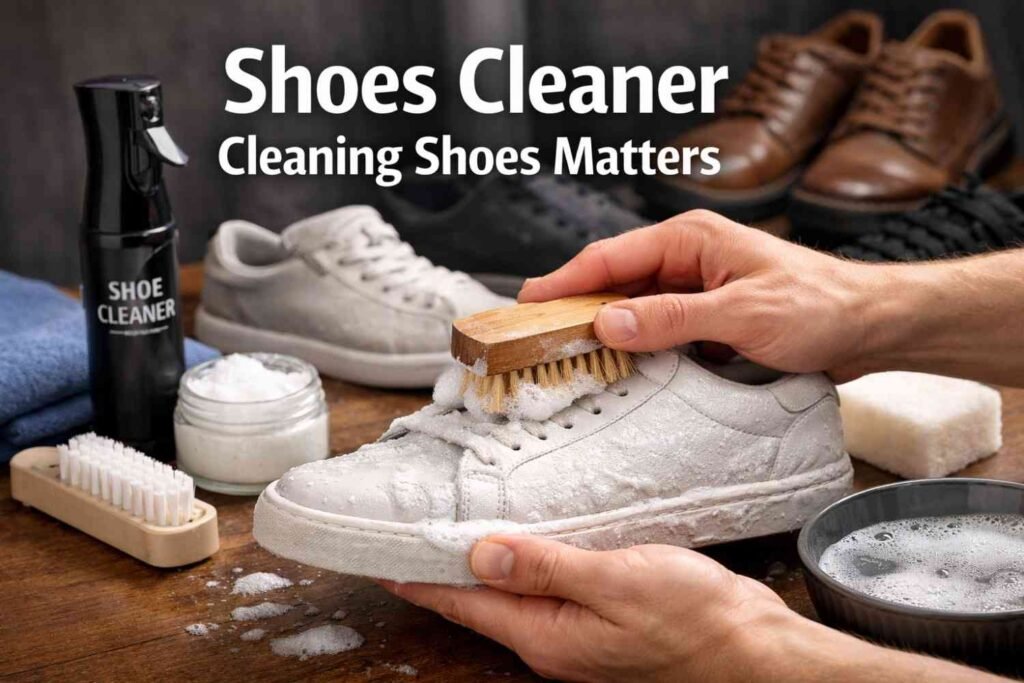
Your work shoes face harsh conditions every day. Dirt, oil, and grime can break down materials quickly. A good shoes cleaner is not a luxury. It is a necessary tool for anyone who relies on their footwear for safety and performance. This guide explains how to choose and use the right products. You will learn how to keep your workwear looking professional and lasting longer, even in the toughest environments.
Why Professional Shoe Cleaner Kits Are a Workwear Necessity
Forget basic soap and water. Work environments demand specialized care. A professional shoe cleaner and a complete shoe care kit are built for this job. They contain formulas that lift industrial stains without harming protective coatings or stitching. Using the right products is a direct investment in your safety and comfort on the job.
Extending the Lifespan of Your Safety Footwear
Work boots are an investment. Salt, moisture, and chemicals degrade leather and synthetic materials over time. A dedicated shoe cleaner removes these corrosive elements. Regular cleaning prevents the material from drying out, cracking, or losing its structural integrity. This simple habit can add months or even years to your footwear’s functional life, saving you money.
Maintaining Professional Appearance in Tough Conditions
Appearance matters, even in rugged settings. Clean, well-maintained footwear projects professionalism and attention to detail. A consistent cleaning routine with a proper shoe cleaner stops dirt from becoming permanently set. It keeps colors from fading and prevents a worn-out look. This maintenance ensures your gear always looks ready for the task, reflecting well on you.
Key Components of a Complete Shoe Care Kit
A simple bottle of cleaner is often not enough. A full shoe care kit provides all the tools for comprehensive maintenance. The right kit saves time and ensures you treat your footwear correctly. Look for kits that include brushes for different materials, a cleaning solution, a protectant, and applicators.
Choosing the Right Cleaner for Leather, Suede, and Synthetic Materials
Using the wrong shoe cleaner can cause damage. Leather needs a pH-balanced cleaner that cleans without stripping natural oils. Suede and nubuck require a gentle, dry-cleaning foam or specific brush. Synthetic materials and safety toe caps often do well with a general-purpose cleaner. Always check the manufacturer’s label on your boots and match the cleaner to the material.
The Role of Shoe Polish in Protection and Restoration
Shoe polish does more than add shine. For leather, it acts as a barrier against water and stains. It also replenishes oils, keeping the leather supple and preventing cracks. A good shoe polish can also mask minor scuffs and restore color. After using a shoe cleaner, applying polish is the critical next step to seal and protect the material.
Step-by-Step Guide to Cleaning Work Shoes and Boots
A methodical approach gives the best results. Rushing can push dirt deeper into the material. Follow these steps after each work week or whenever your shoes are heavily soiled. This process ensures a thorough clean that preserves your footwear.
Pre-Cleaning: Removing Dirt and Debris Safely
Start with a dry brush. Knock off all loose dirt, mud, and dust from the upper, sole, and welts. For dried mud, use a blunt tool like a stick. This step is crucial. Applying a shoe cleaner on top of caked-on dirt just creates a muddy paste that grinds into the material. Remove the bulk first.
Deep Cleaning Techniques for Stubborn Stains and Grime
Apply your chosen shoe cleaner according to its instructions. Typically, you use a damp brush, work the cleaner into a lather, and scrub in circular motions. Focus on stained areas and high-wear zones like the toe and heel. Use a softer brush for delicate materials. Wipe away the foam and dirt with a clean, damp cloth. Let the shoes air dry completely away from direct heat before the next step.
Built for Tough Environments: Advanced Cleaning Strategies
Standard cleaning might not handle industrial residues. Factories, workshops, and construction sites present unique challenges. Your shoe cleaner arsenal needs strategies for these specific threats to keep your boots safe and functional.
Treating Oil, Grease, and Chemical Residue on Work Boots
Oil and grease repel water-based cleaners. For these stains, use a degreasing shoe cleaner or a small amount of dish soap designed to cut grease. Apply it directly to the stain, agitate with a brush, and rinse thoroughly. For unknown chemical spills, rinse immediately with water and consult the safety data sheet for cleaning advice, as some chemicals require special handling.
Waterproofing and Re-protecting After Each Clean
Cleaning can remove a boot’s factory-applied waterproofing. After every deep clean, you must reapply a protectant. For leather, use a wax-based conditioner or a dedicated waterproofing spray. For synthetic fabrics like Gore-Tex, use a spray-on waterproofer recommended by the manufacturer. This step is non-negotiable for maintaining your footwear’s resistance to the elements.
Must-Have Tools and Products for Your Shoe Cleaning Arsenal
Quality tools make the job easier and more effective. Building a reliable kit means you are always prepared. Here are the essentials you should have on hand for maintaining any work shoe or boot.
Top-Rated Shoe Cleaner Brands Available in Saudi Arabia
Several reliable brands are accessible in the Saudi market. Products from Angelus, Jason Markk, and Crep Protect are known for their effective formulas. Many local sports and workwear retailers, like those found in Riyadh and Jeddah, carry these or similar professional-grade shoe cleaner options. Look for kits that specify use on work or athletic footwear.
DIY vs. Professional-Grade Shoe Care Kits
DIY solutions like vinegar or mild soap can work for light dust. For ingrained dirt and protection, professional kits are superior. They are engineered for specific materials and contain conditioners and protectants. A professional shoe care kit is a cost-effective choice because it preserves your expensive boots. The investment in the right kit pays for itself by extending the life of your footwear.
Common Shoe Cleaning Mistakes to Avoid
Even with good intentions, you can damage your shoes. Knowing these common errors helps you care for your gear correctly. Avoiding these mistakes will keep your shoes in top condition for much longer.
Using Harsh Chemicals That Damage Material Integrity
Never use household bleach, strong solvents, or abrasive cleaners. These can break down leather fibers, discolor synthetics, and dissolve adhesives holding the sole. They strip away essential oils, leaving materials brittle. Always use a dedicated, mild shoe cleaner formulated for footwear.
Neglecting Regular Maintenance Between Deep Cleans
Waiting until boots are caked in mud is a mistake. A quick daily wipe-down with a dry brush removes abrasive particles. Addressing small stains immediately prevents them from setting. This regular upkeep makes the periodic deep clean with your shoe cleaner much simpler and less harsh on the materials.
Explore Durable Tech for Your Active Lifestyle
Just as you care for durable workwear, your tech should withstand an active life. For reliable performance that keeps up with you, check out the Samsung Galaxy A21s. It’s built to be a dependable tool for communication and productivity.
Conclusion
Your work shoes are vital equipment. A systematic cleaning routine with the right shoe cleaner and shoe care kit protects that investment. It ensures safety, promotes a professional image, and delivers long-term value. Start treating your footwear with the same level of care you expect from it on the job.
FAQs
How often should I clean my work shoes?
Perform a quick dry brush after each use. Do a full clean with a shoe cleaner every one to two weeks, or immediately after exposure to mud, salt, or chemicals. Frequency depends on your work environment.
Can one shoe cleaner work on all types of materials?
No. A universal cleaner is a compromise. For best results and to avoid damage, use a cleaner designed for your boot’s primary material (e.g., leather, suede, synthetic). Many all-in-one shoe care kits include different brushes and solutions for this reason.
